Energy data automation: advancing decarbonization

An ambitious decarbonization trajectory
The Group has committed to reducing carbon footprint by 50% between 2019 and 2030. The energy consumed by our buildings accounts for nearly half of the Group’s own emissions. Thanks to the efforts and initiatives implemented, these emissions have already drastically decreased in 2024 compared to 2019.
In order to maintain this decarbonization trajectory and comply with new regulatory requirements, particularly those of the CSRD (Corporate Sustainability Reporting Directive), it is crucial to enhance the accuracy and regularity of the data used to calculate the carbon footprint.
Automation driving energy performance
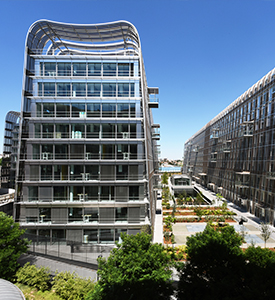
Automating energy data collection and transmission in our buildings addresses these challenges, as well as the Group’s digitalization objectives. Furthermore, it offers a range of advantages for entities, including reducing the need for manual data entry and facilitating more effective energy consumption management, thereby lowering carbon emissions and energy costs.
Currently, around thirty countries are working on automating data collection, demonstrating the Group’s commitment to proactively reducing its carbon footprint.
These projects involve numerous stakeholders, including site technical managers, entity CSR representatives, IT teams and Group Real Estate Department teams. The Real Estate teams support entities in selecting and implementing the system. Once the energy management tool is deployed, each entity ensures its management and monitoring, thus guaranteeing local ownership of the implemented solutions.
Further reading
CSR strategy

Supporting the transition