Just transition: Combining environmental benefits and social utility
Initiated at COP28, the adoption of the “Belem Action Mechanism” (BAM) is considered one of the key outcomes of COP30. The mechanism focuses on the implementation of a just transition, aiming to combine the reduction of carbon emissions with a socially sustainable and inclusive transition. Placed under the auspices of the UNFCCC*, this initiative is expected to lead to the definition of a multilateral framework, including a multi-year plan to be presented at COP31. This framework will notably enable the development of national plans.
The just transition spans all sectors. Societe Generale is already contributing by mobilizing its expertise and financing to support projects that combine environmental benefits with social value.
In 2024, the Group contributed EUR 3 billion to concrete initiatives, including nearly EUR 1 billion dedicated to digital connectivity, EUR 600 million to healthcare, and EUR 600 million to decarbonized public transportation. Societe Generale has also signed a cooperation agreement with IFC, a member of the World Bank Group. Nearly sixty sustainable finance transactions have already been co-financed over the past ten years in developing countries, and this cooperation is intended to be expanded, particularly to projects that integrate environmental and social dimensionss.
Reducing the digital divide
Access to digital services has become a key driver of economic and social inclusion. Reliable connectivity is now essential to work, study, and participate in economic life. Societe Generale supports several projects in this area, including financing the deployment of fiber-optic networks across Europe, notably through a landmark transaction with XpFibre, France’s leading independent FTTH operator. In Africa, the Group also supports the modernization of networks, for example in Côte d’Ivoire, to improve service quality for local populations.
Promoting low-carbon and accessible mobility
Mobility is a key lever for inclusion. In France, Societe Generale finances the InspiRe project in Clermont-Ferrand, which is reshaping the urban transport network around tramways and electric buses. The Group also supports the launch of Proxima, France’s first independent operator of decarbonized high-speed rail services.
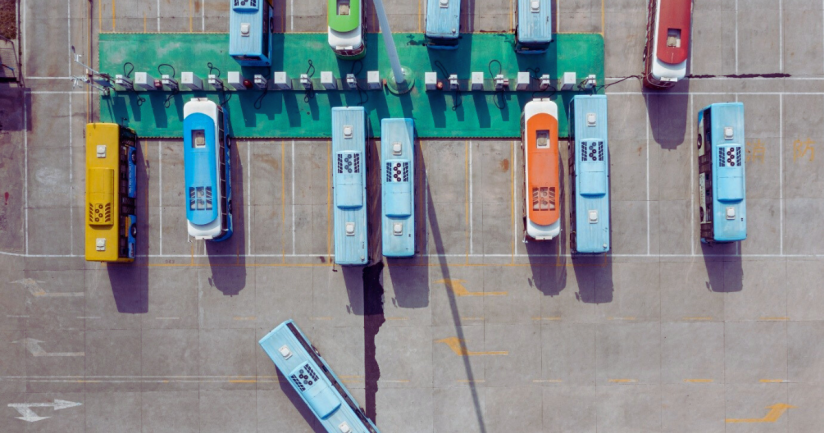
Internationally, Societe Generale has participated in several financings aimed at providing accessible low-carbon mobility, including the commissioning in 2025 of 935 electric buses in Chile and the development of bus fleets for Bogotá’s urban transport system. In the same spirit, Ayvens supports the Wimoov association in France, which assists people facing barriers to mobility.
Strengthening healthcare systems
Resilience to health and climate crises depends on improved access to healthcare. Societe Generale contributes to financing investments by AP-HP in France and supports the construction of new healthcare facilities in Africa, such as a 300-bed hospital in Tivaouane, Senegal, and a specialized healthcare center in Angola, helping to improve access to care.
Accelerating access to clean and affordable energy
Access to reliable energy is a key driver of development. In Senegal, Societe Generale financed the installation of 100,000 solar streetlights, one of the largest solar public lighting projects in the world. In India, the Group supports the development of solar and hybrid power plants, as demonstrated by the commissioning of a 600 MW plant in 2024. In parallel, the Group offers financing solutions for the installation of solar panels for individuals and businesses, both in Europe and in Africa.
Improving housing and strengthening essential infrastructure
Societe Generale contributes to energy-efficient renovation and the construction of social housing. In 2024, the Group notably granted a EUR 44 million loan to Habitat 76 for housing renovation projects in Rouen and a EUR 100 million loan to Action Logement to support the construction of affordable housing.
In developing countries, the Group is also involved in essential infrastructure projects, such as in Côte d’Ivoire in 2025, through financing guaranteed by Bpifrance Assurance Export to modernize water infrastructure.
Supporting sustainable agriculture
Agriculture lies at the intersection of climate and social challenges. In Côte d’Ivoire, Societe Generale partnered with Ksapa under the IREN-AGRI initiative to strengthen agricultural value chains and financed irrigation systems covering more than 2,300 hectares of cultivated land.
In Ghana, IFC and Societe Generale Ghana joined forces to improve access to finance for the cocoa sector, support more sustainable production practices, and facilitate market access for tens of thousands of smallholder farmers.
Creating jobs linked to the ecological transition and promoting inclusion
The ecological transition is accompanied by new skills needs and job creation. In Nigeria, Societe Generale acted as advisor on the structuring of the country’s first structured corporate impact loan dedicated to plastic waste recycling, benefiting the social enterprise Wecyclers. In France, the Societe Generale Foundation for Solidarity supports the ETRE network (Schools of the Ecological Transition), which provides free training to young people in jobs related to the ecological transition.
A sustainable and inclusive dynamic
These financings illustrate how environmental projects can integrate social dimensions and contribute to territorial development by strengthening the resilience of local economies and supporting more inclusive transition pathways.
*United Nations Framework Convention on Climate Change
Further reading
Supporting clients in the transition
CSR strategy